Fareham, a small Hampshire market town at the head of a tidal creek in Portsmouth Harbour, full of history with many surprising corners and with a fine future for its links across Europe.
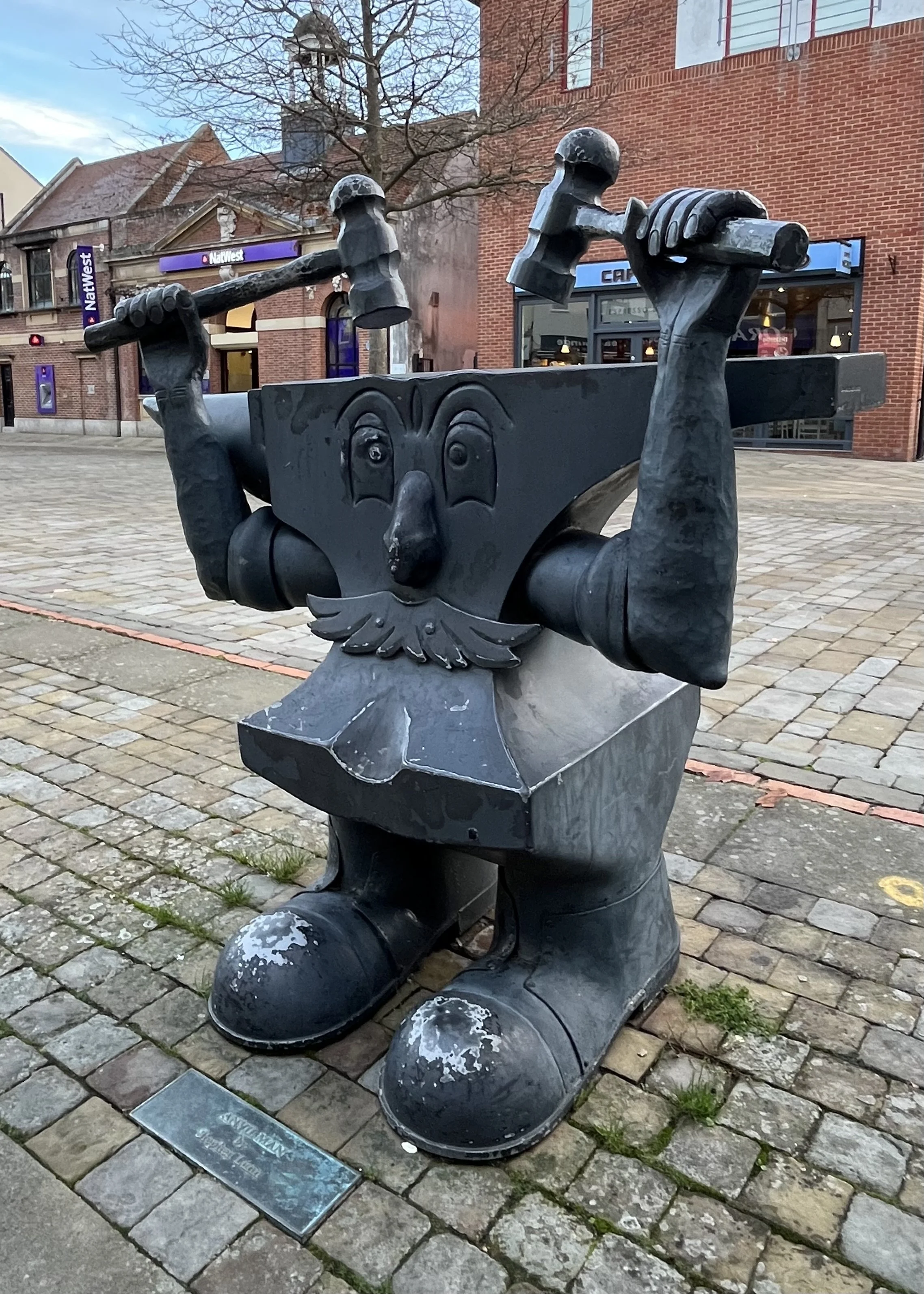
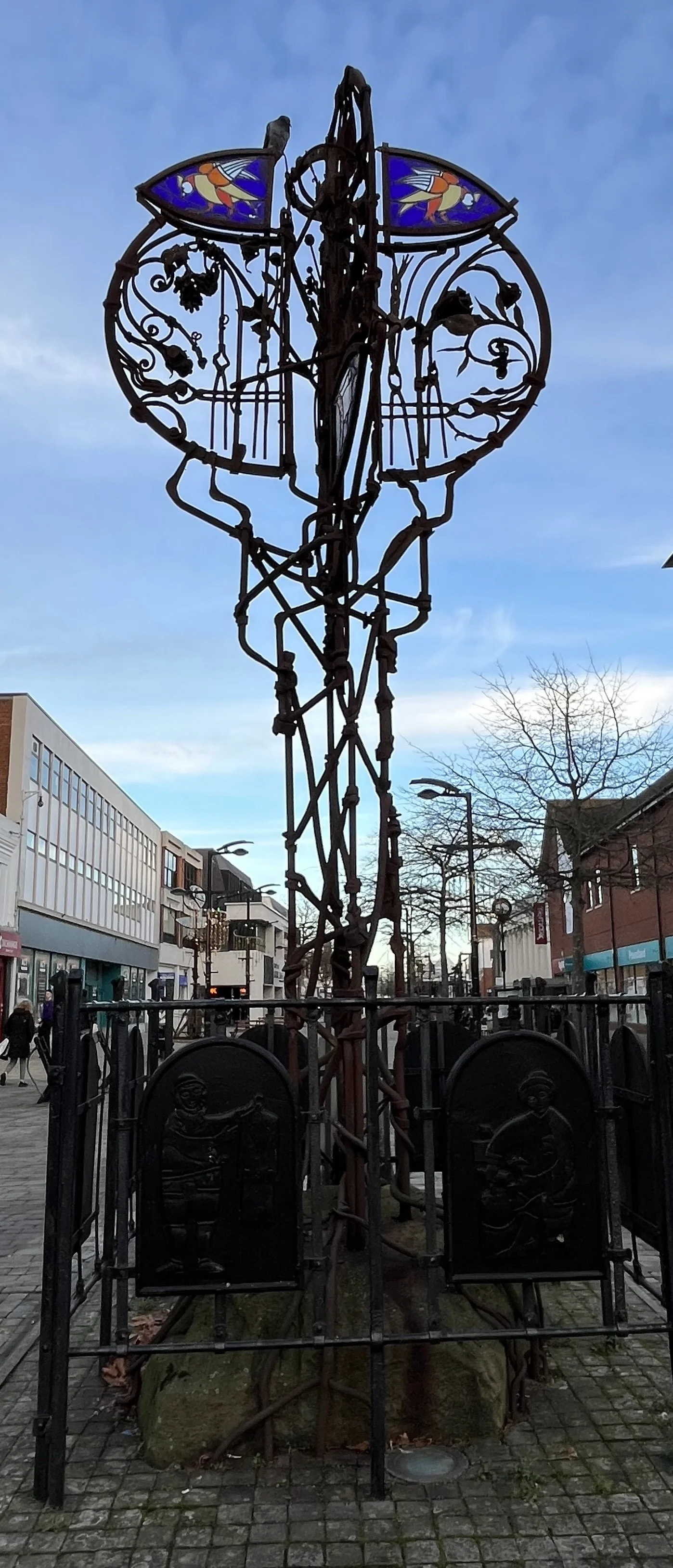
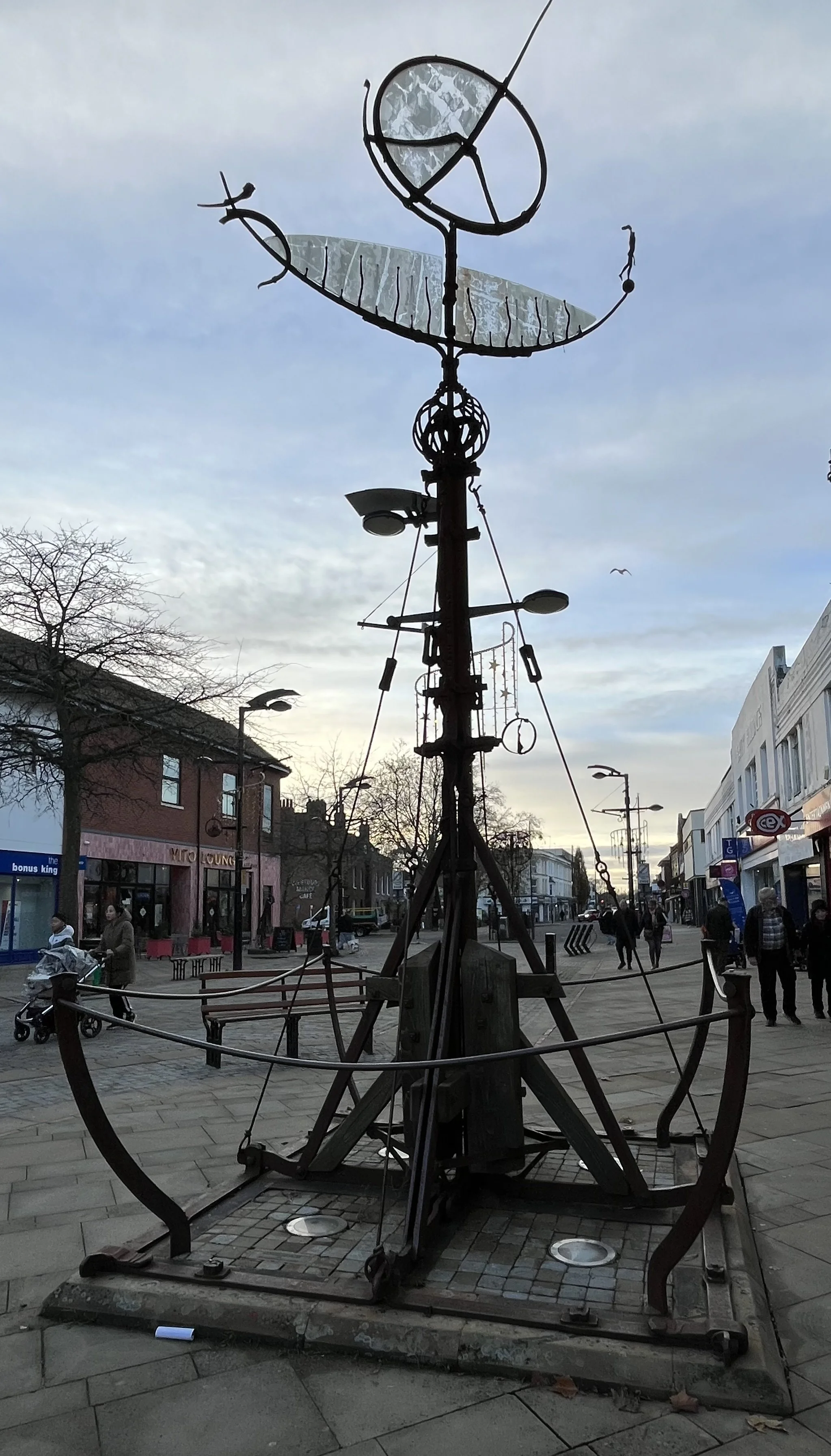
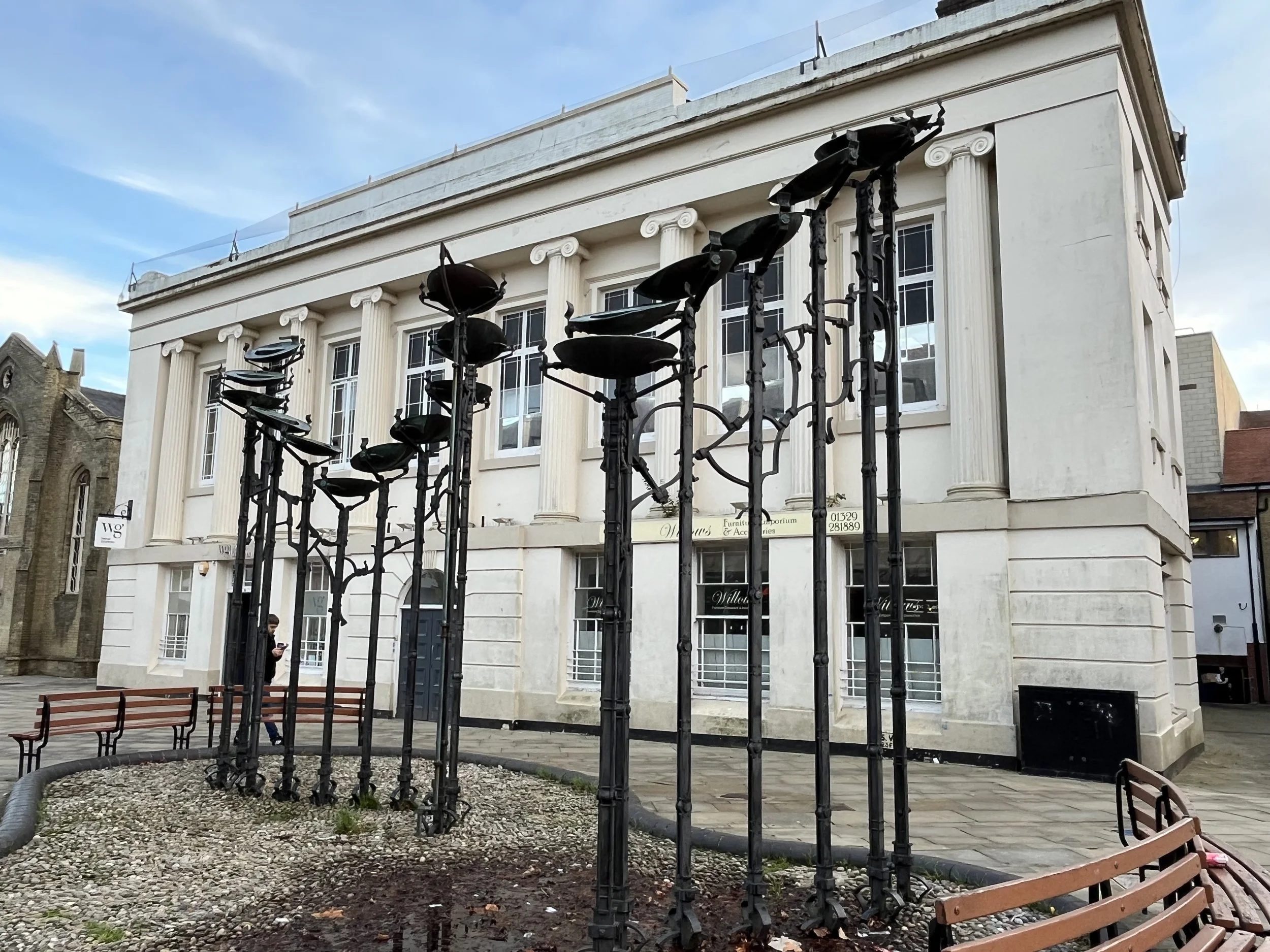
Welcome to West Street in Fareham Town centre. Now a pedestrianised centre for commerce, entertainment and hospitality venues it was not that long ago visitors had to negotiate the traffic on the main A27 road that was West Street. Many Iron sculptures in the Henry Cort sculpture park recall the time when a local Iron foundry was at the forefront of the 17th century industrial revolution.
High Street has many large houses from the 18th century, an age when the area was favoured by retired naval captains and admirals.
The historic village of Titchfield
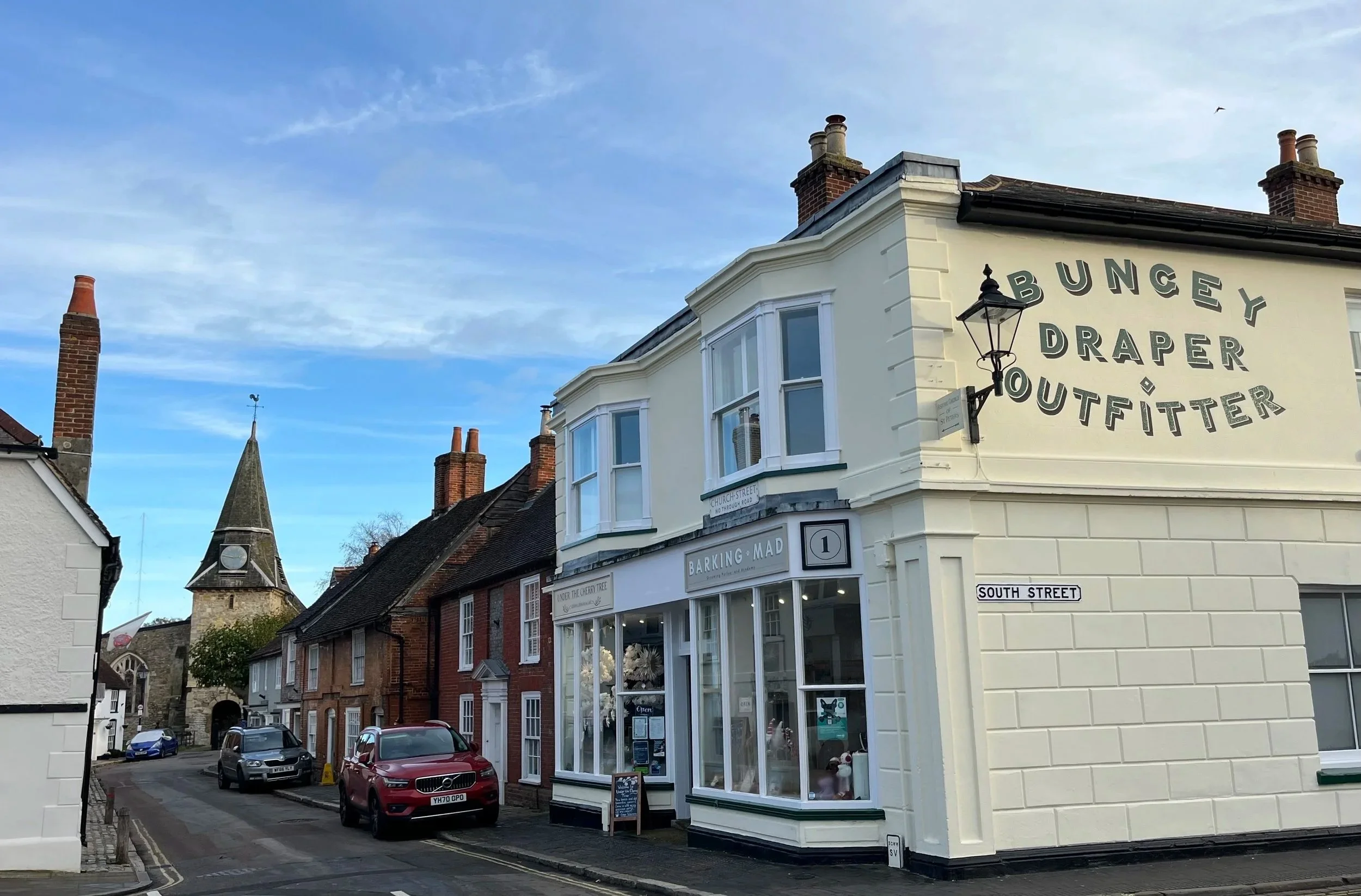
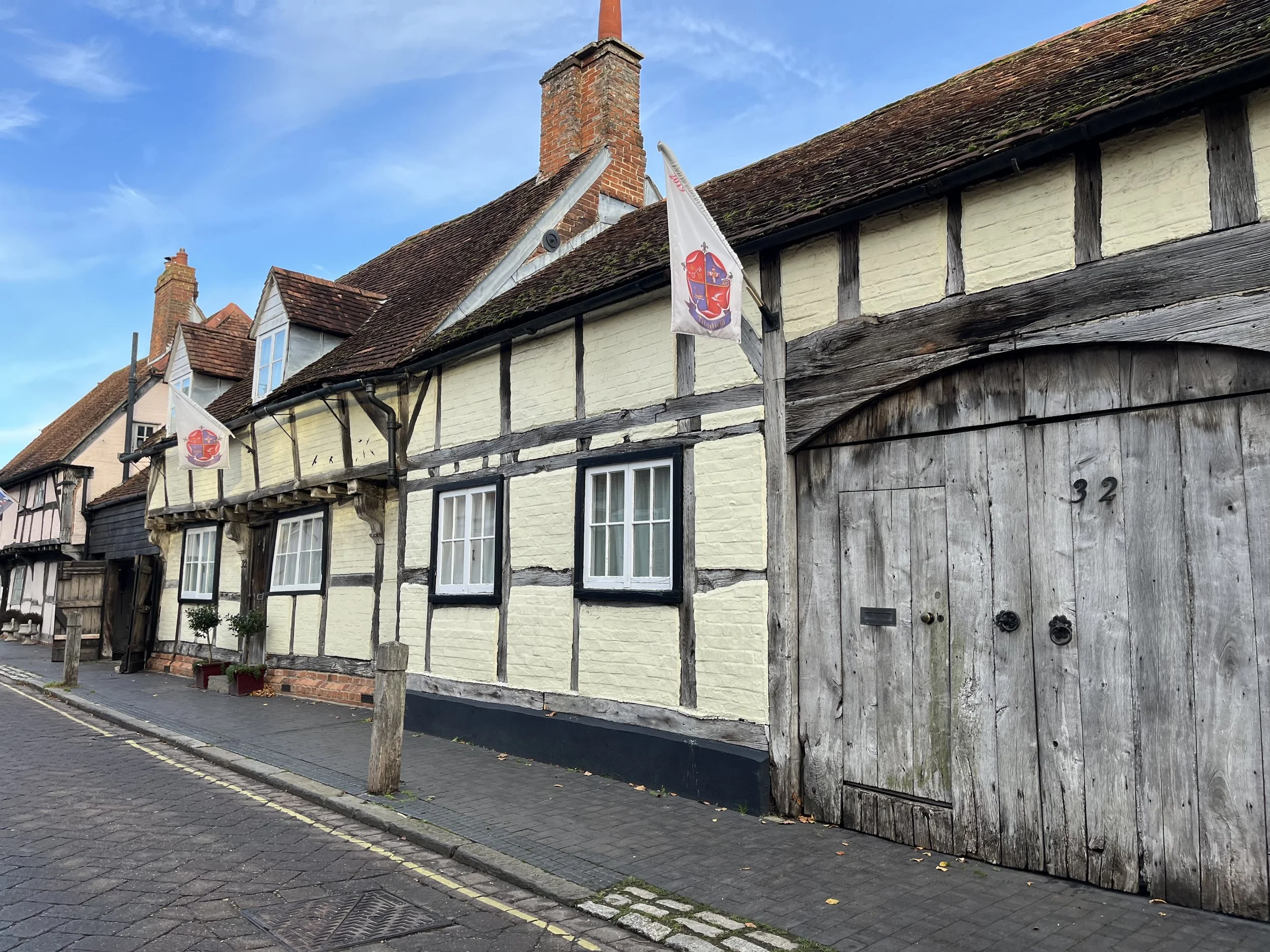
Just a few miles to the west of Fareham town Titchfield sits in the valley of the river Meon, a position favoured since the Romans settled here. Today it has a pleasant square with 18th century houses and pubs, a much older church with some walls at least a thousand years old while in South street you'll find a remarkable collection of wooden framed buildings from the 16th century.
A lovely walk along the little chalk stream Meon will take you to the Solent shore, or take a look at the tomb of the Earl of Southampton inside the church, one of its many attractions, before heading over to the site off his home at Titchfield Abbey.
Or stay a while and enjoy a glass of local ale and some home cooked food in one of the three pubs in Titchfield, or enjoy one of it’s homely cafes.
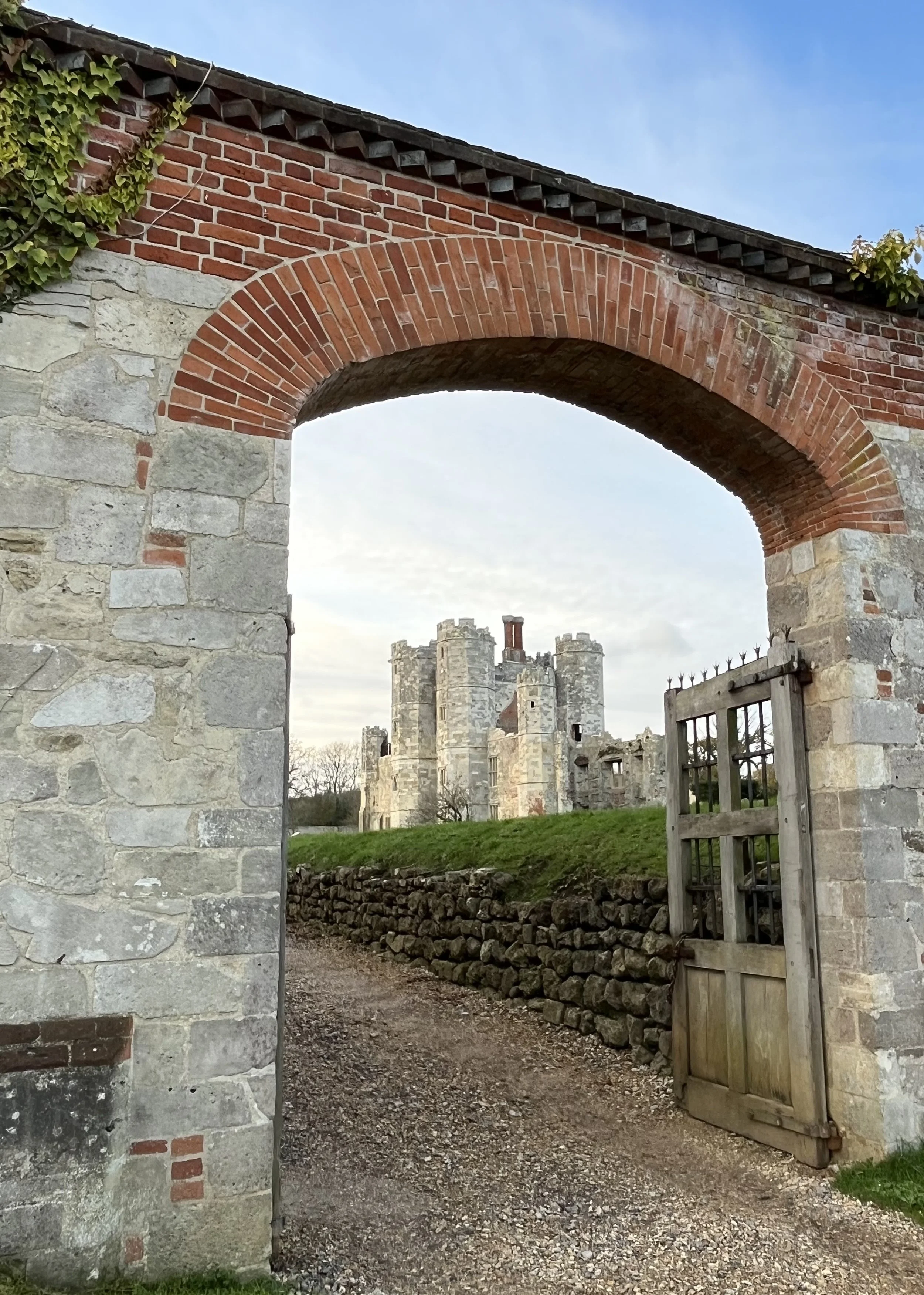
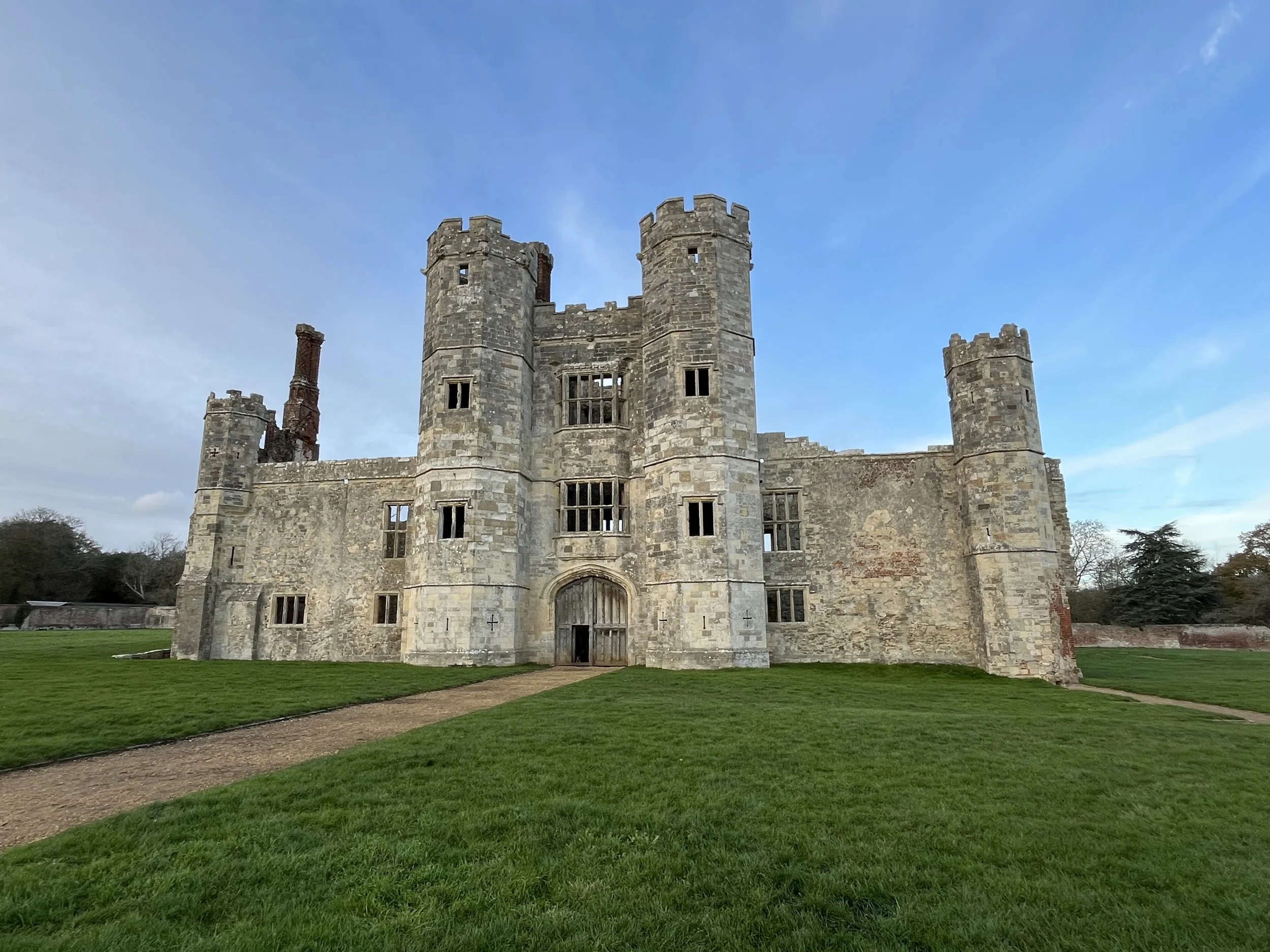
Titchfield Abbey today is a romantic ruin with a long and varied history. Founded by canons in 1222, what you see today dates from its life after the dissolution of monasteries by King Henry VIII when the site was acquired by the Earl of Southampton. He built Place House in the grand Tudor mansion style after reducing the abbey into a quarry for its stone walls. The imposing entrance tower dominates this part of the Meon valley today. The Earl was a patron to William Shakespeare, one local legend holds that his play A Midsummer Nights dream was first performed in the large tithe barn nearby. Today it makes for a lovely wander around its ancient walls and remnants of the tiled floor of the Abbey.
Then take a walk over the tiny Anjou bridge across the Meon before enjoying lunch in the Fishermen’s Rest just over the road.
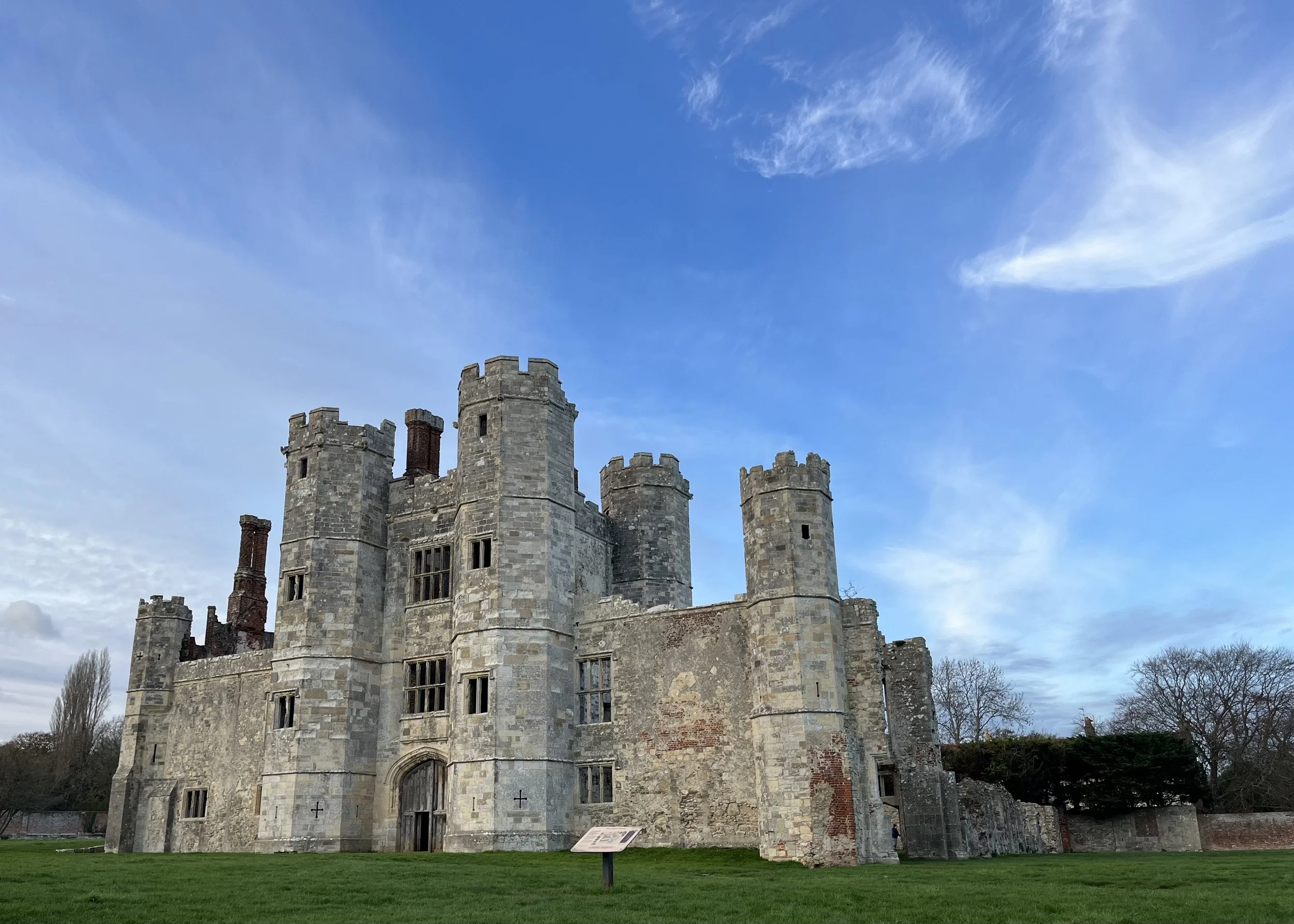
See if you can spot carved pieces or pieces of column from the Abbey church built into the perimeter walls.
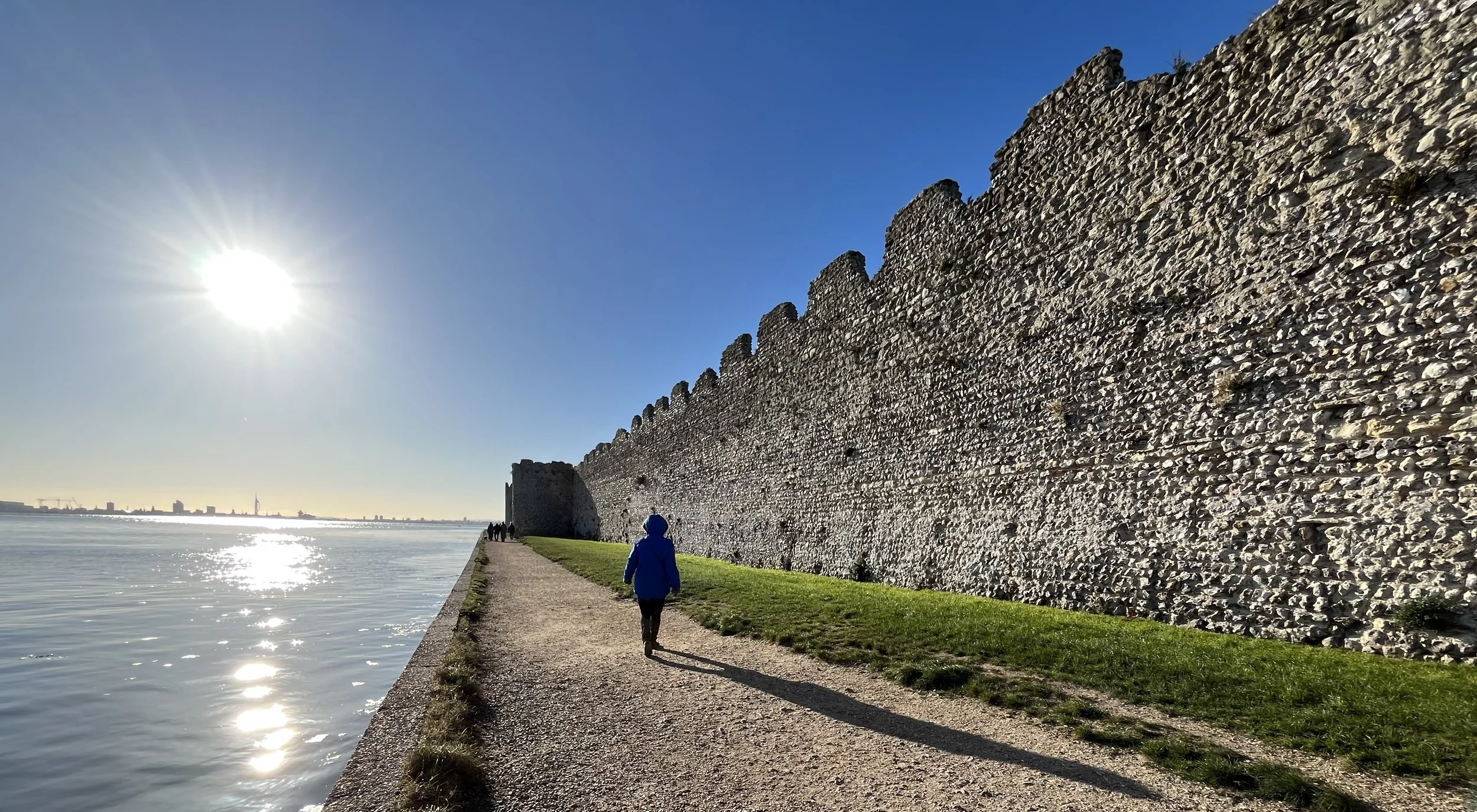
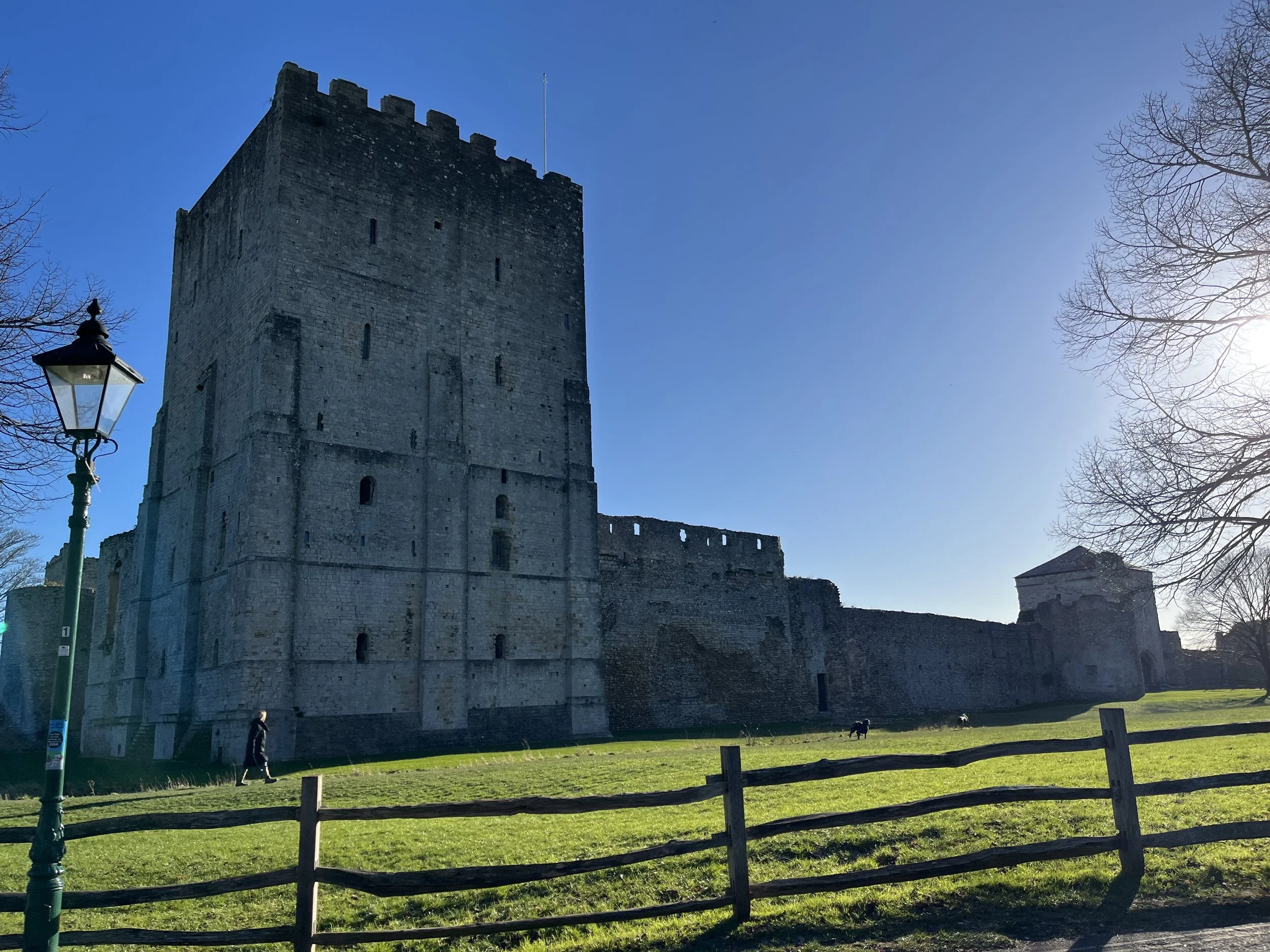
Portchester and its castle.
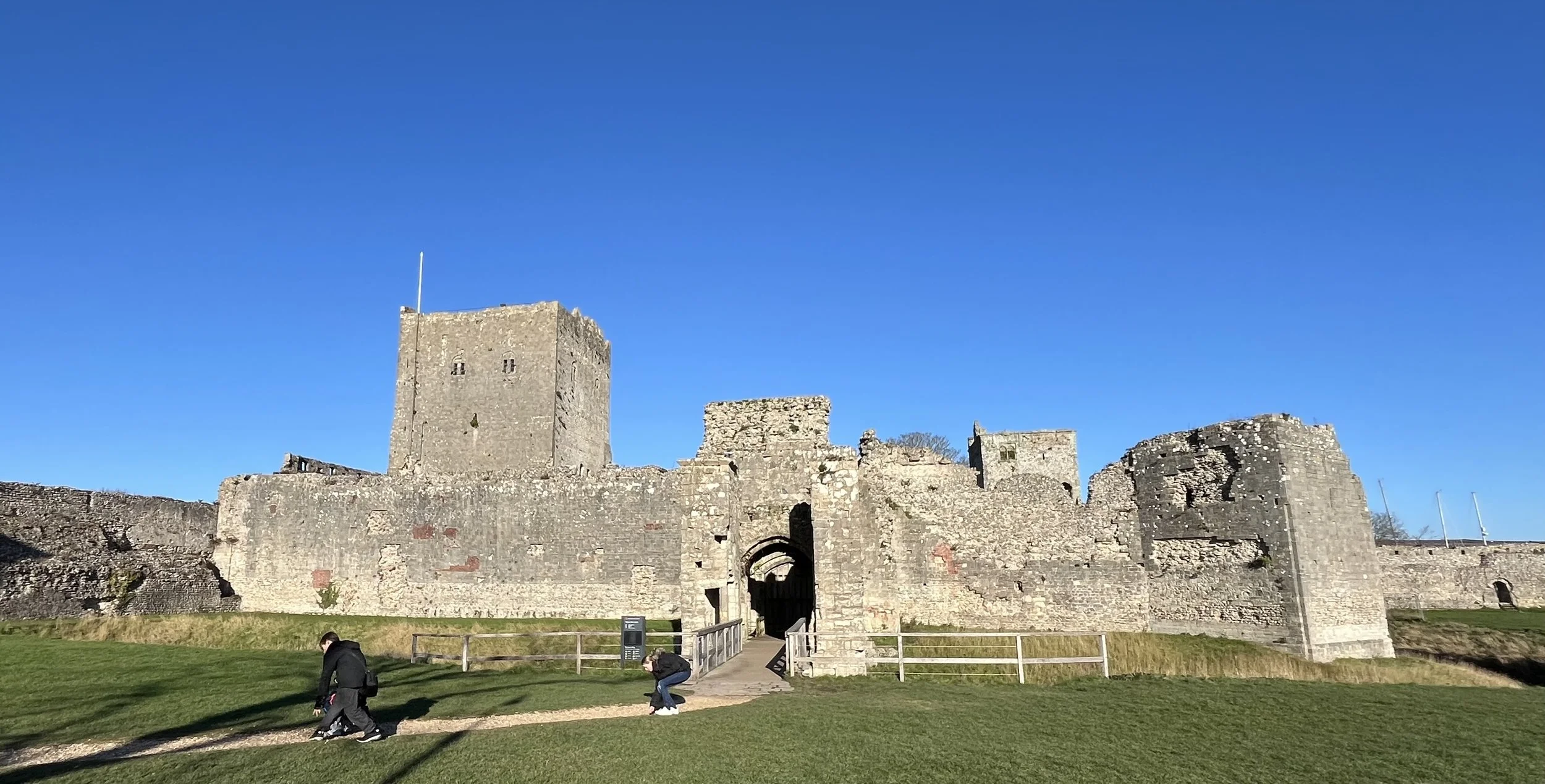
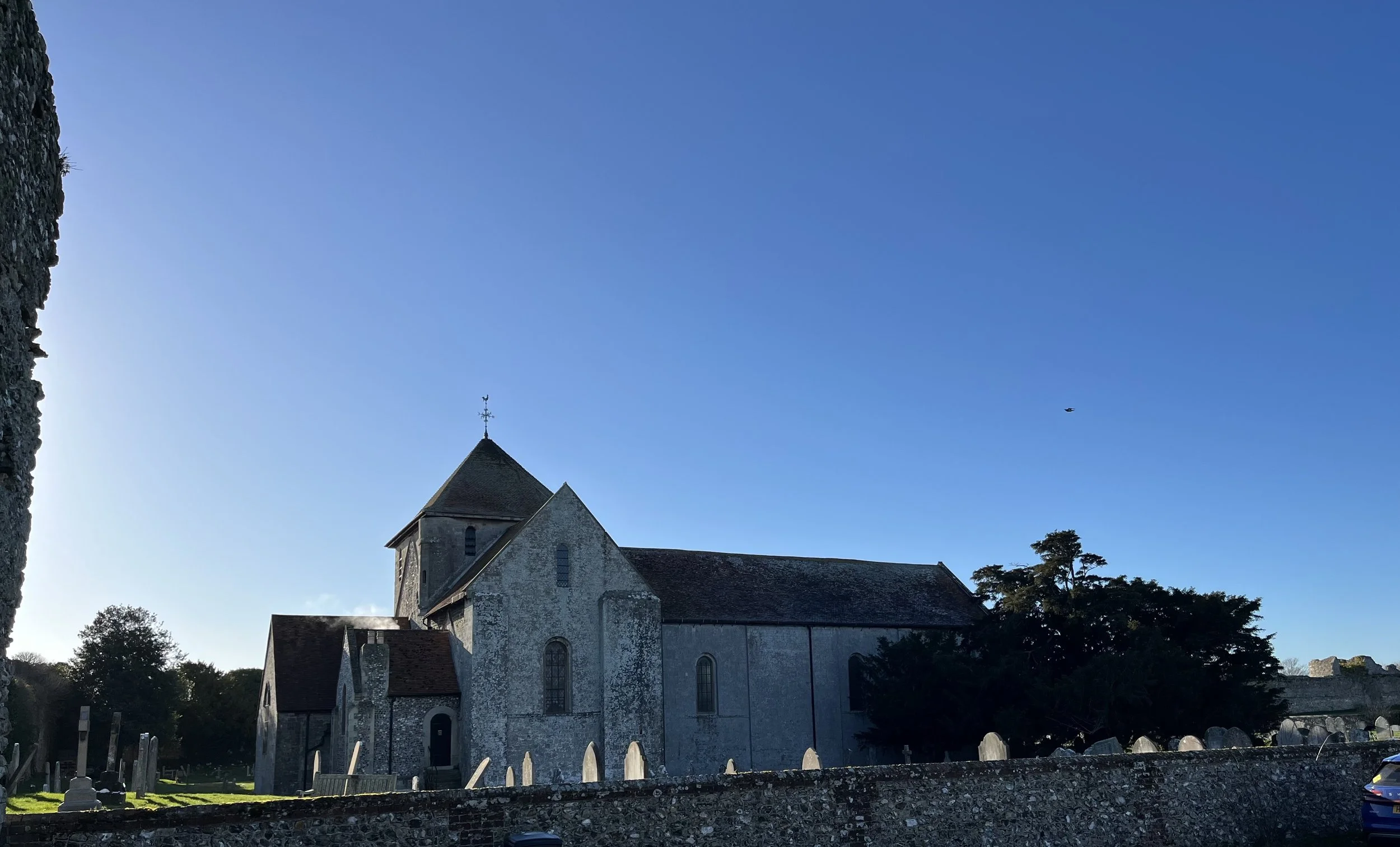
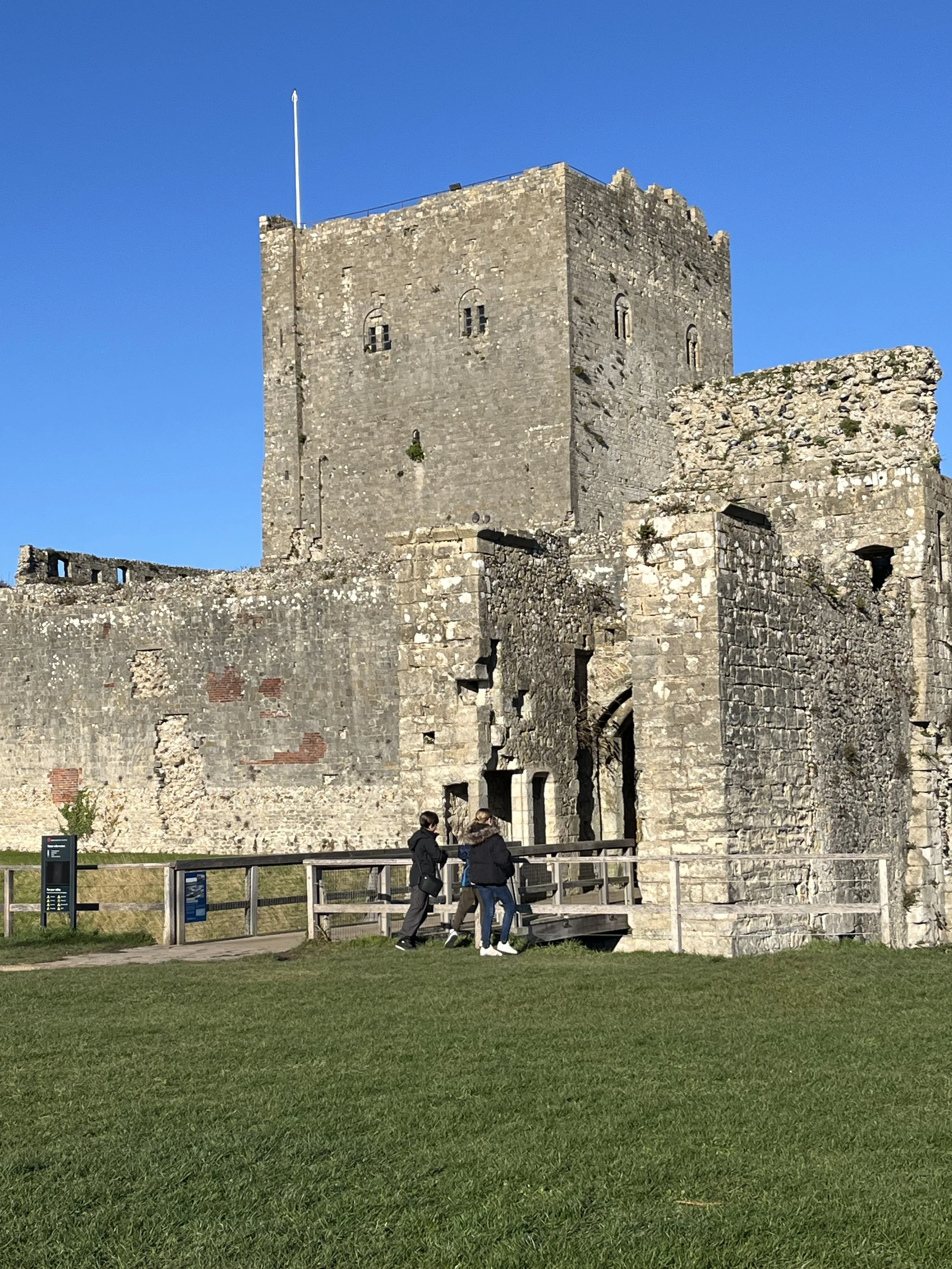
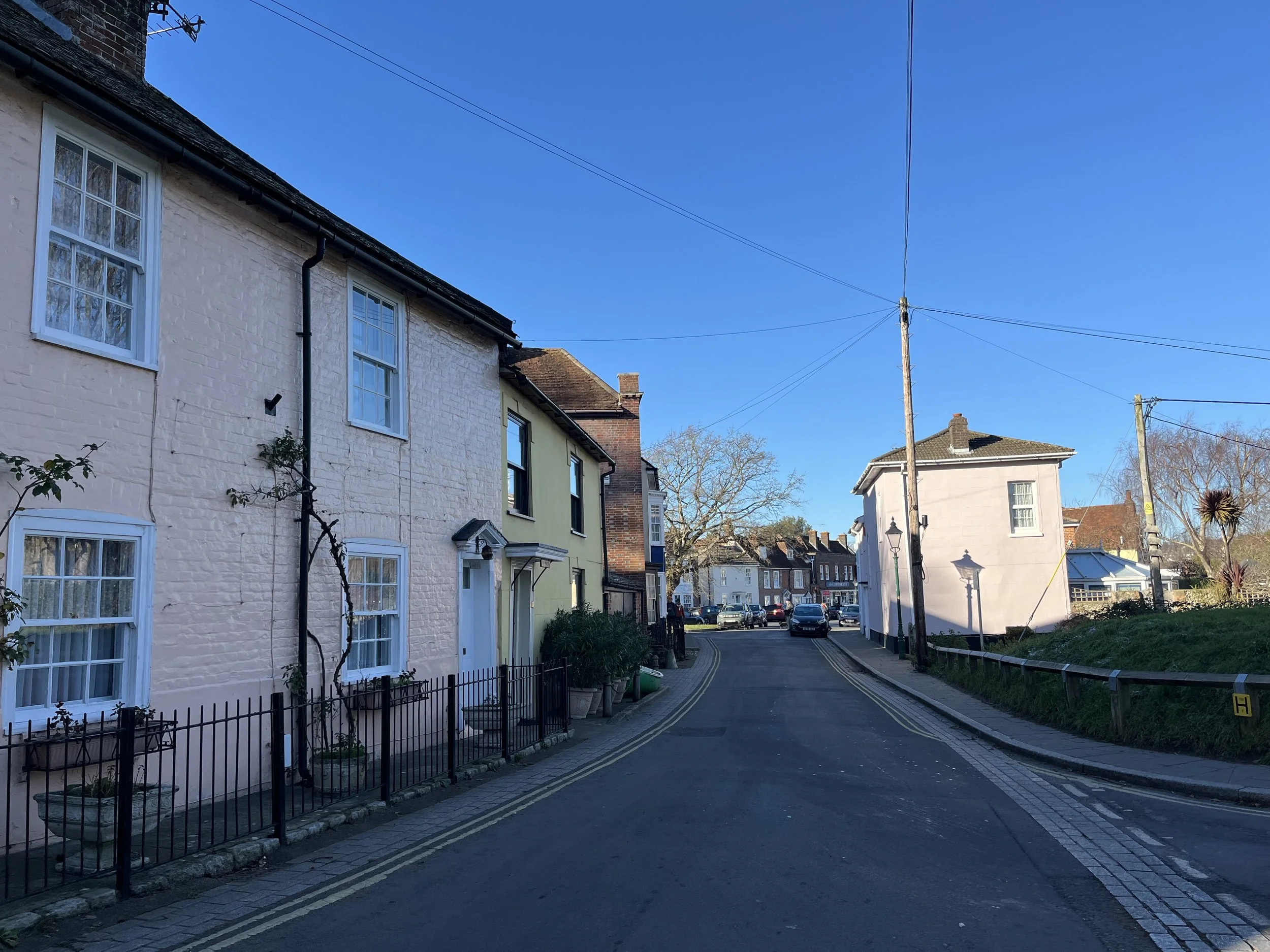
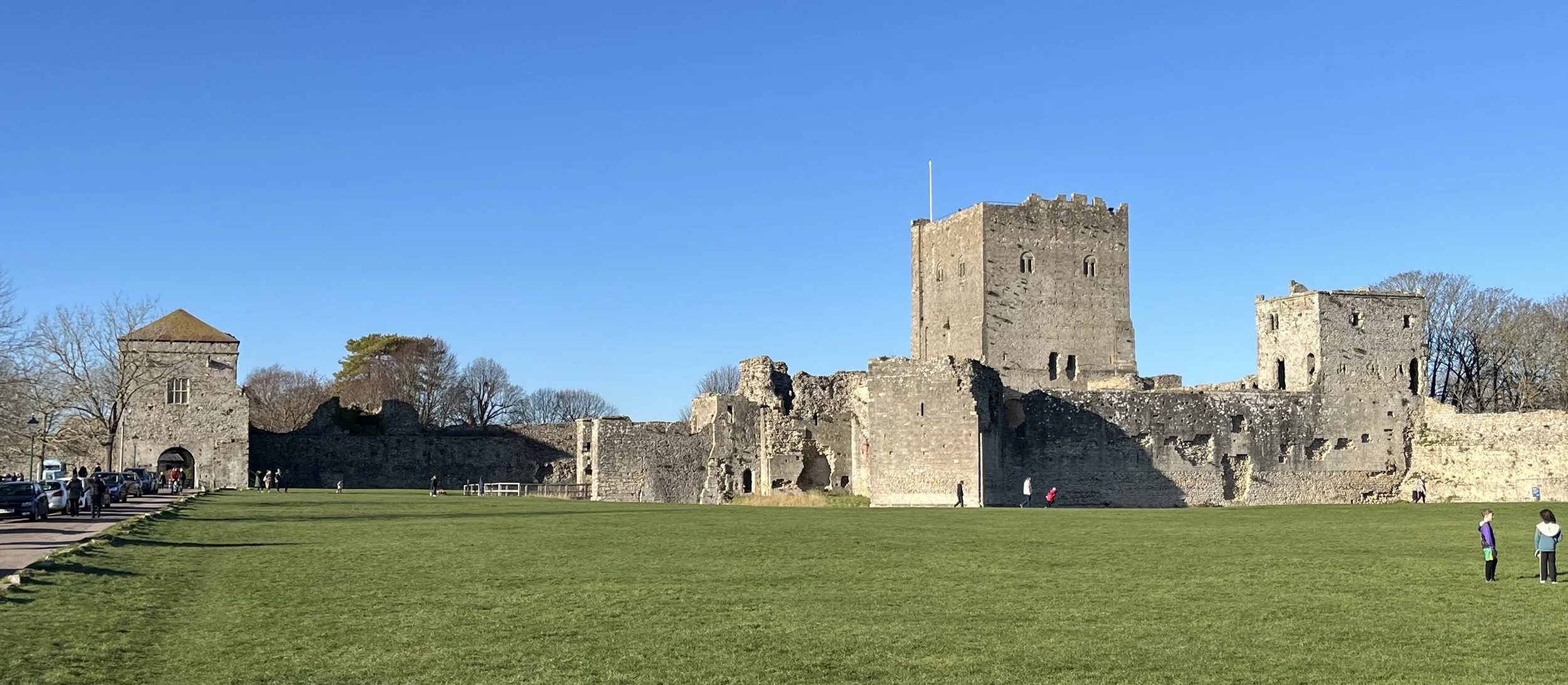
To the east of Fareham town lies Portchester, a modern suburb with an historic heart on the shores of Portsmouth harbour. The castle is approached along a fine row of 18th century houses and has guarded the entrance to Fraheam Creek since the time of the Romans. The castle is surrounded by some of the largest Romano-British remains in England while today it is the Norman keep and fine church that dominate the area inside those walls.
Inside the keep learn all about its time as a medieval stronghold and as a 19th century prison.
A walk along the shore before enjoying the hospitality of the Cormorant is a fine way to spend a morning.
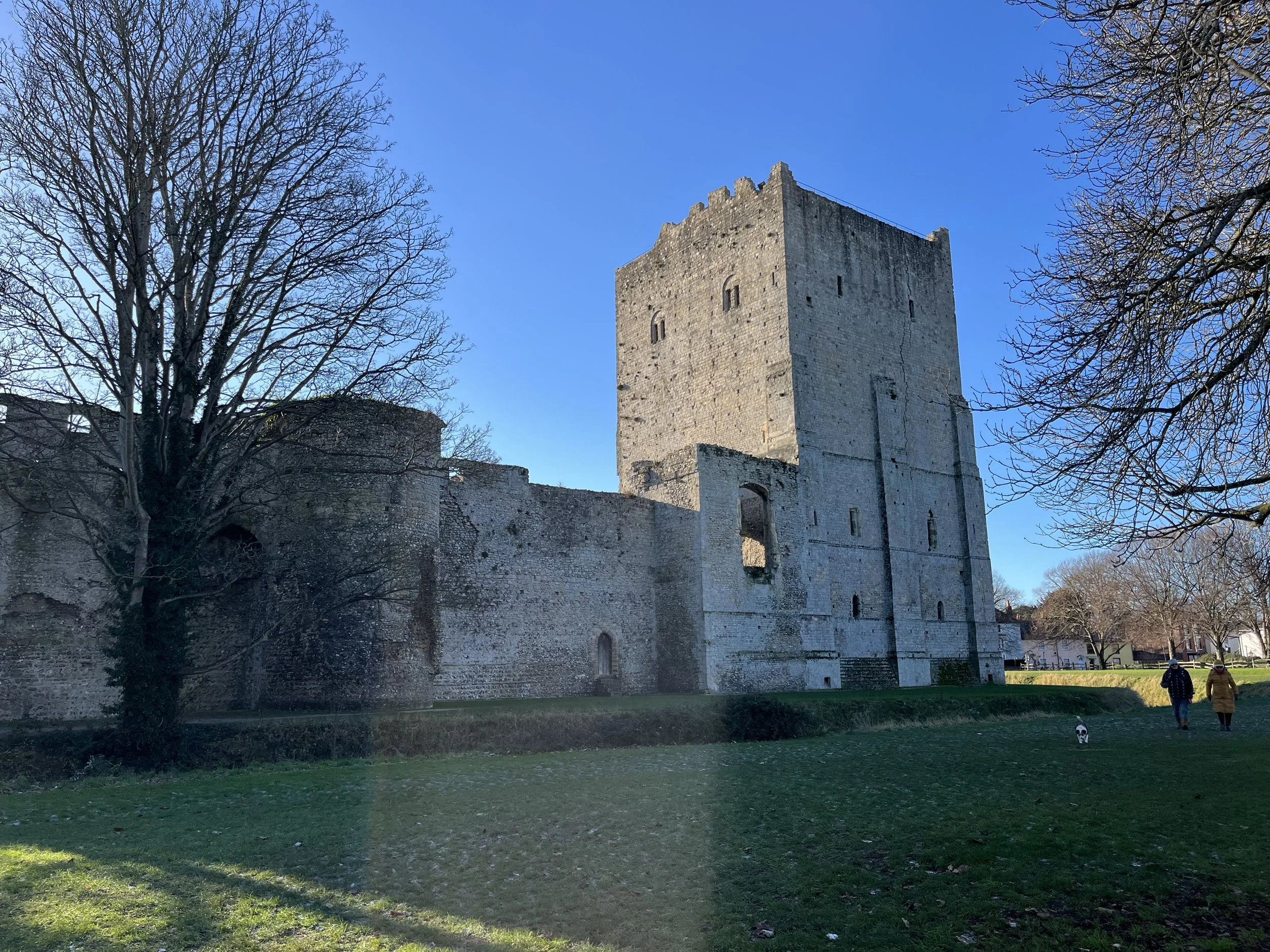
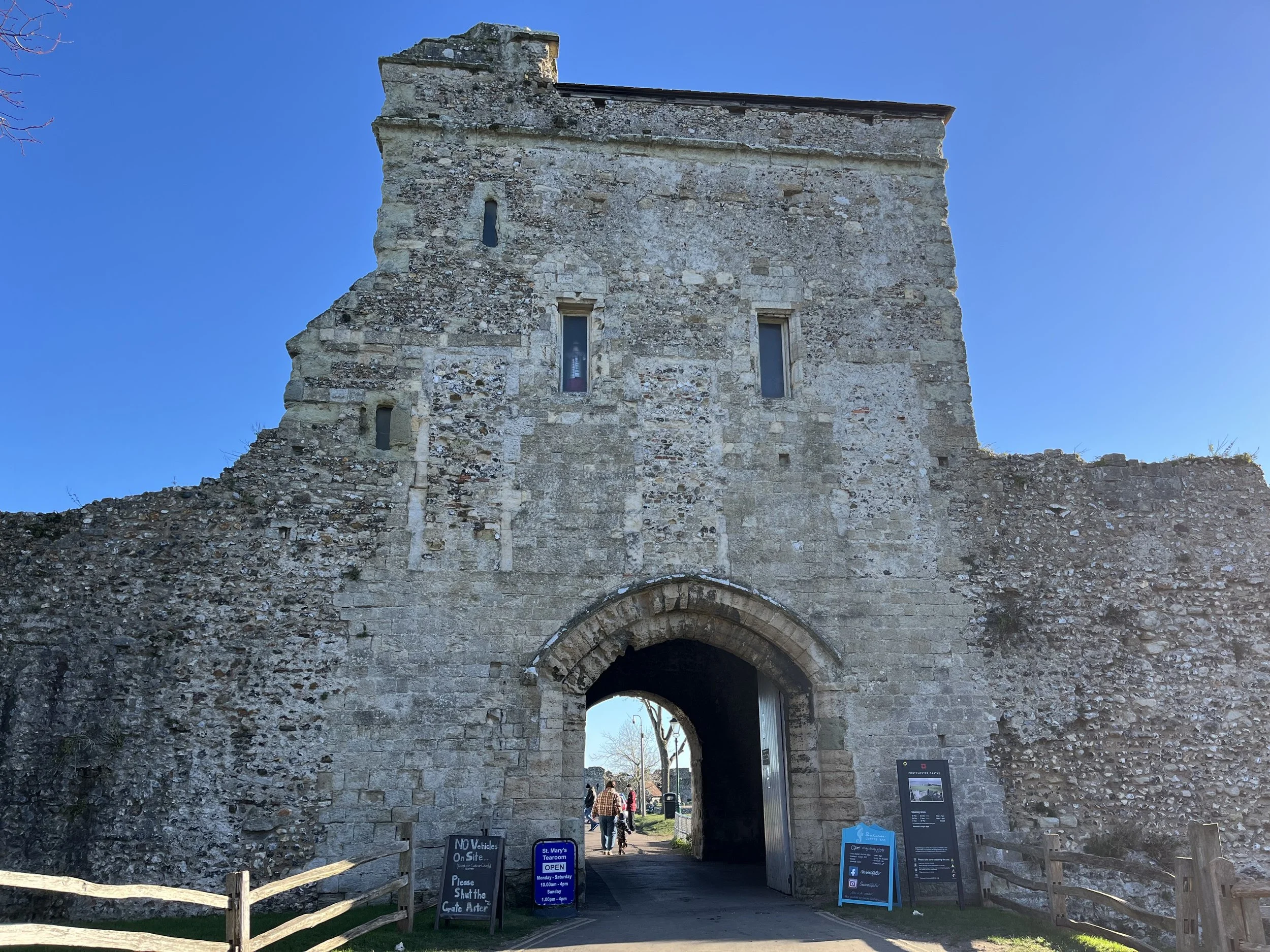
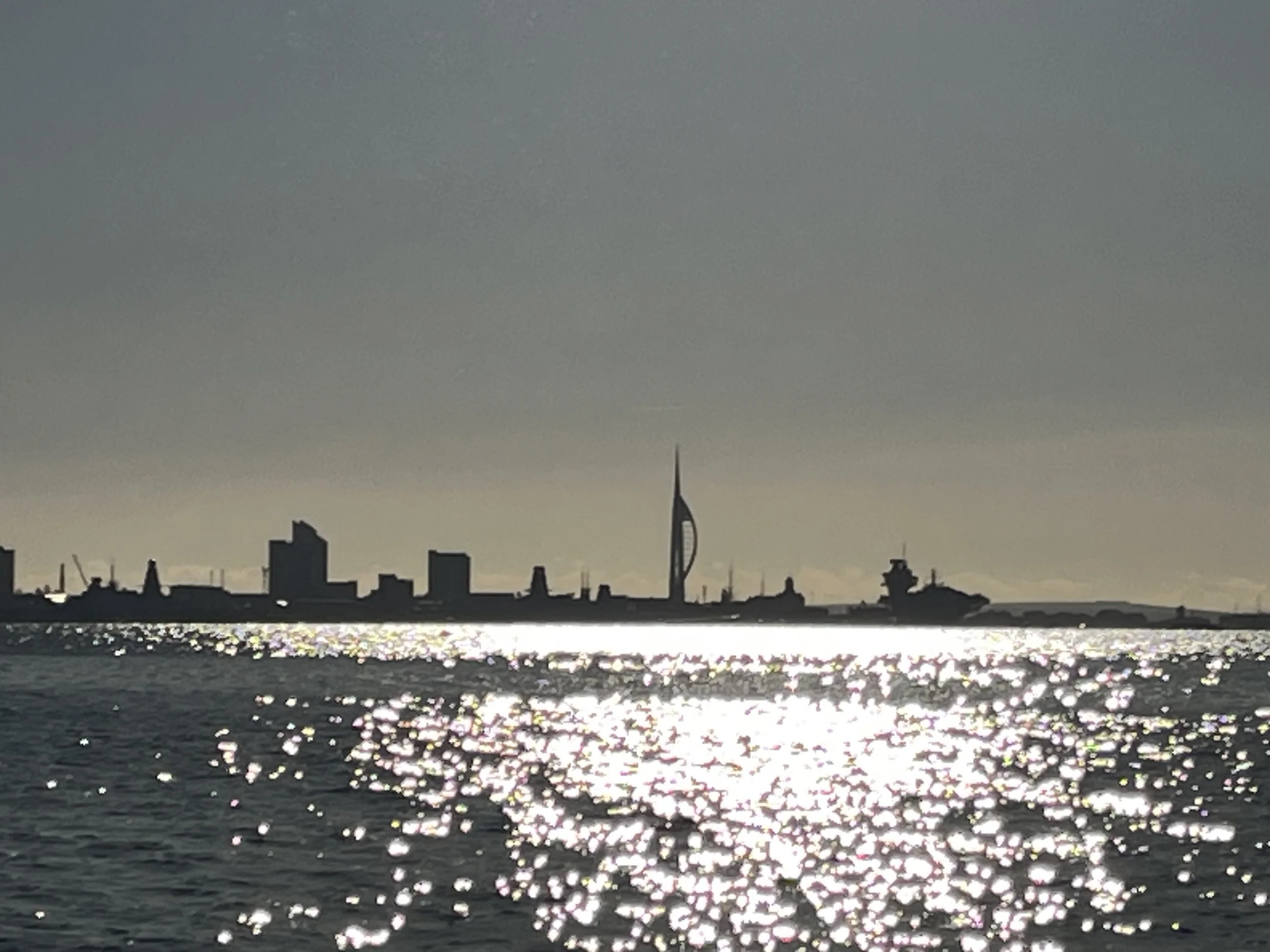
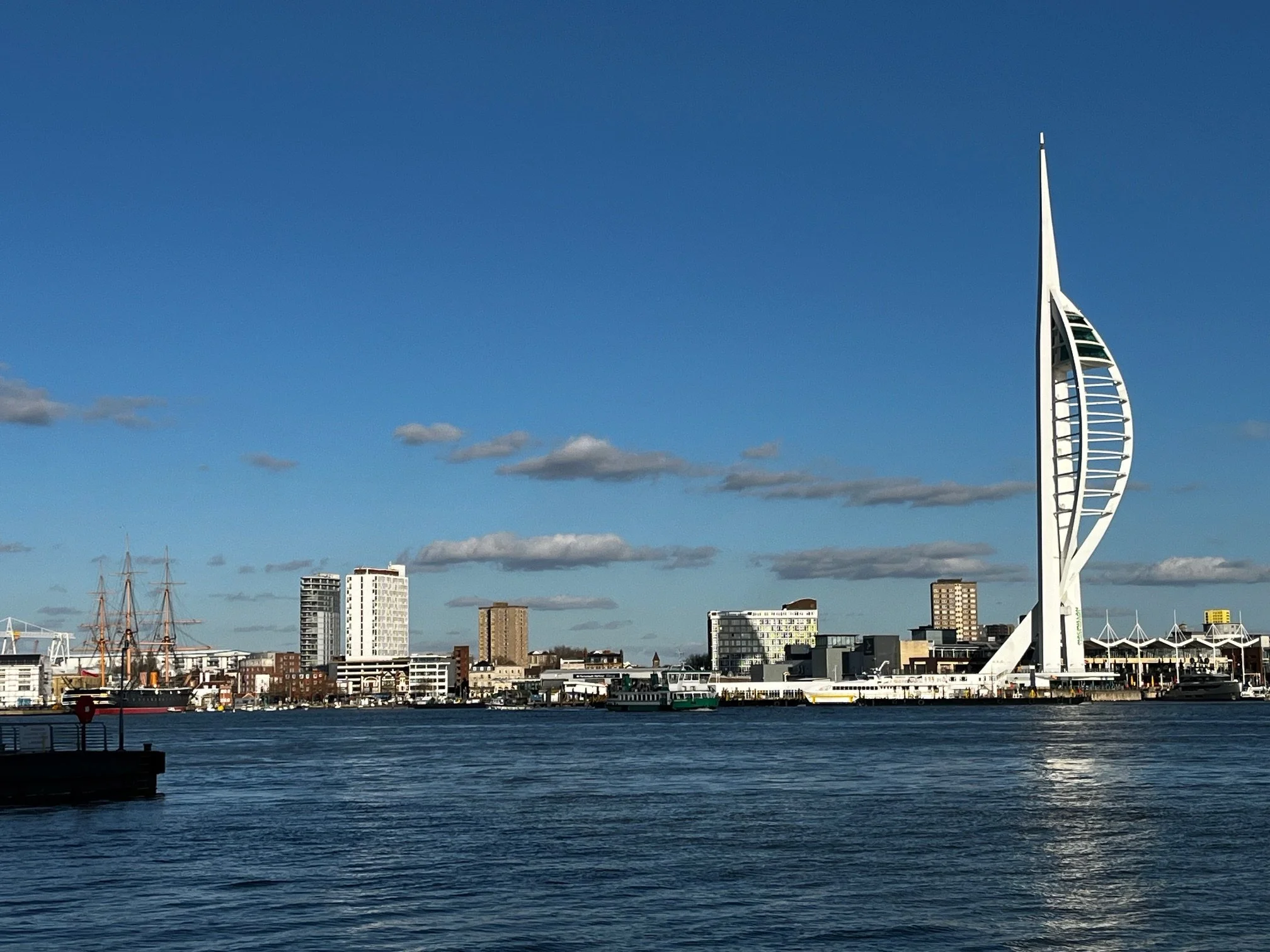

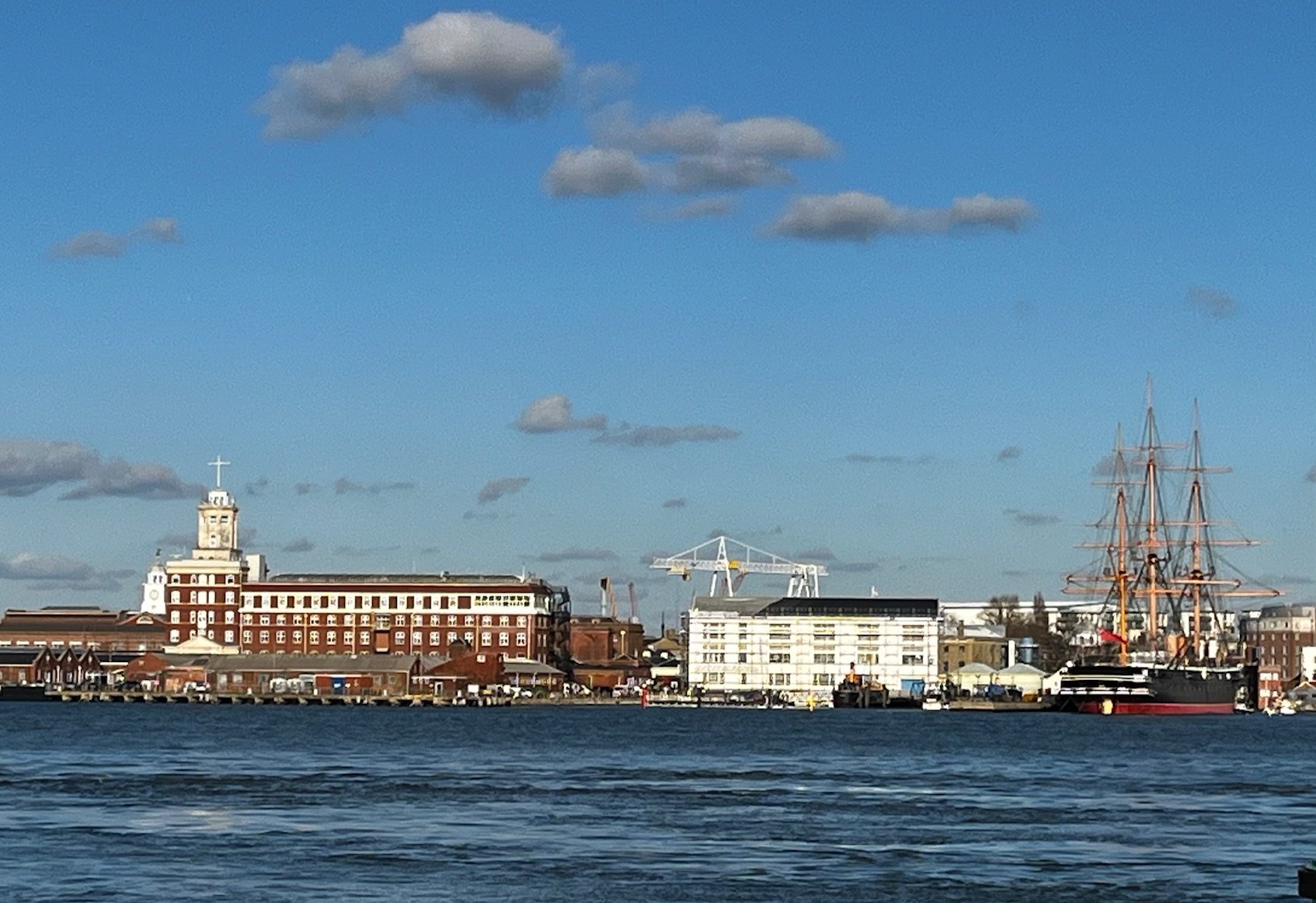
At the mouth of Portsmouth harbour where it meets the Solent are many maritime attractions for Fareham visitors, from the heights of the Spinnaker tower to standing where Nelson fell at Trafalgar, or inspecting the very latest Naval firepower on a harbour cruise.
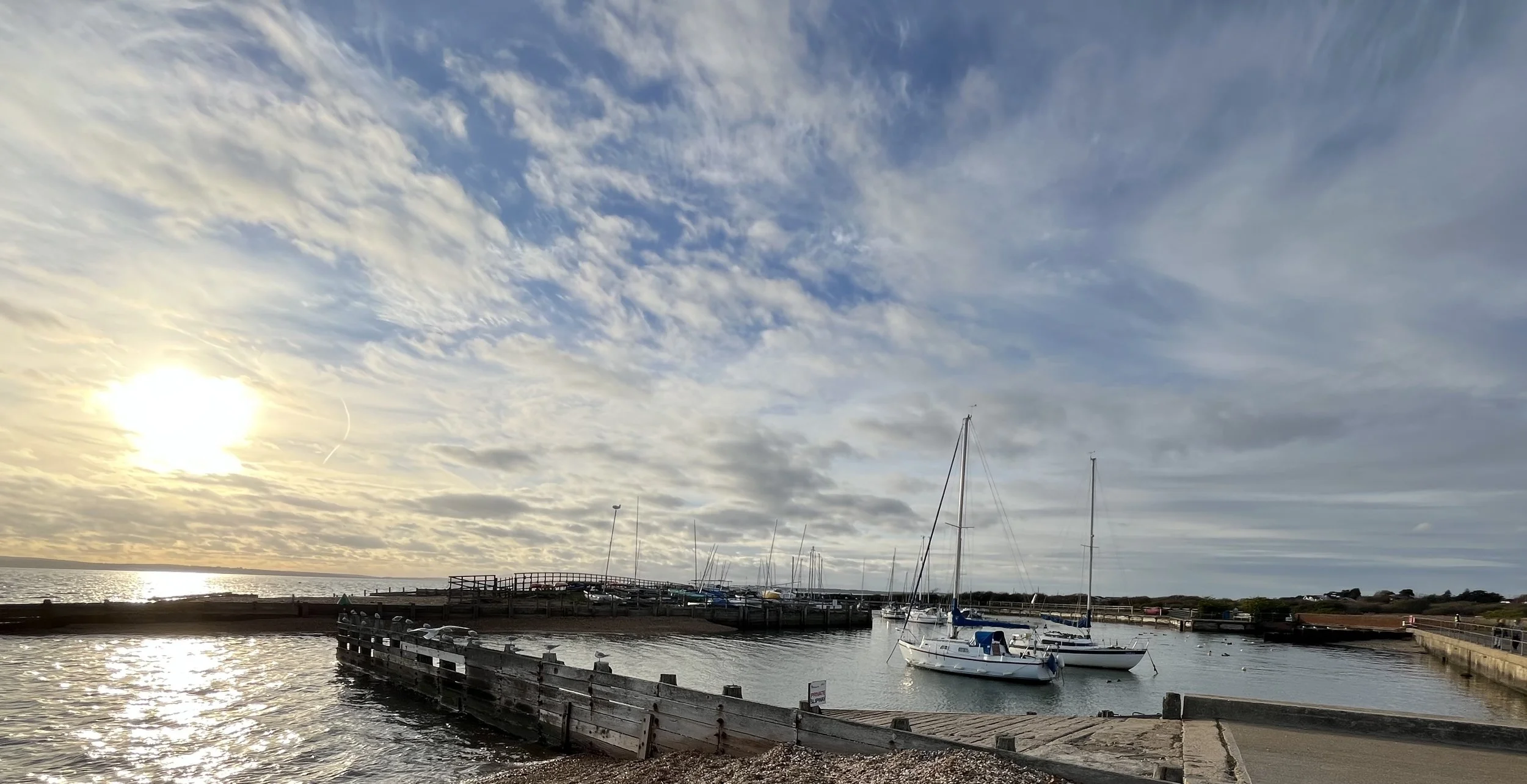
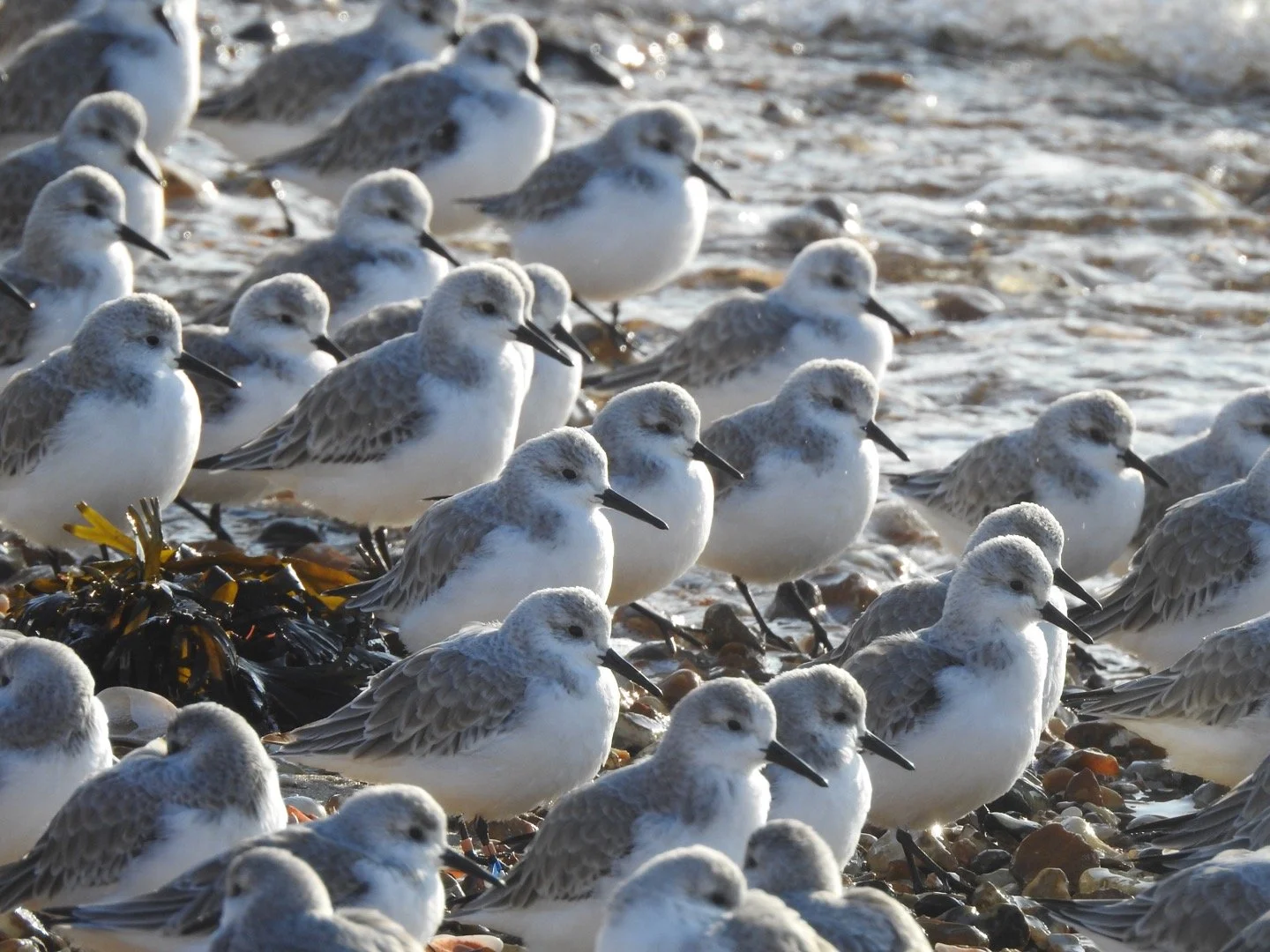
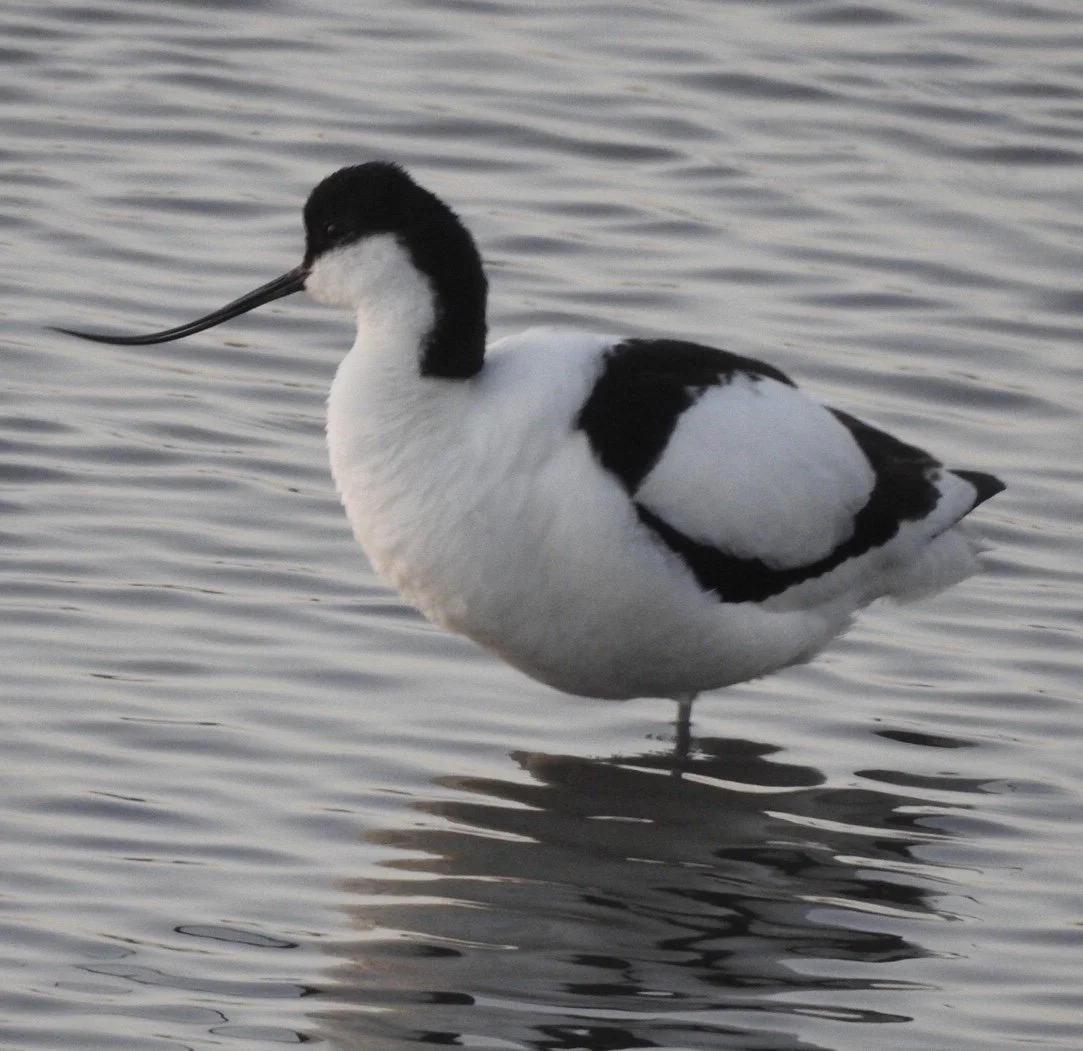
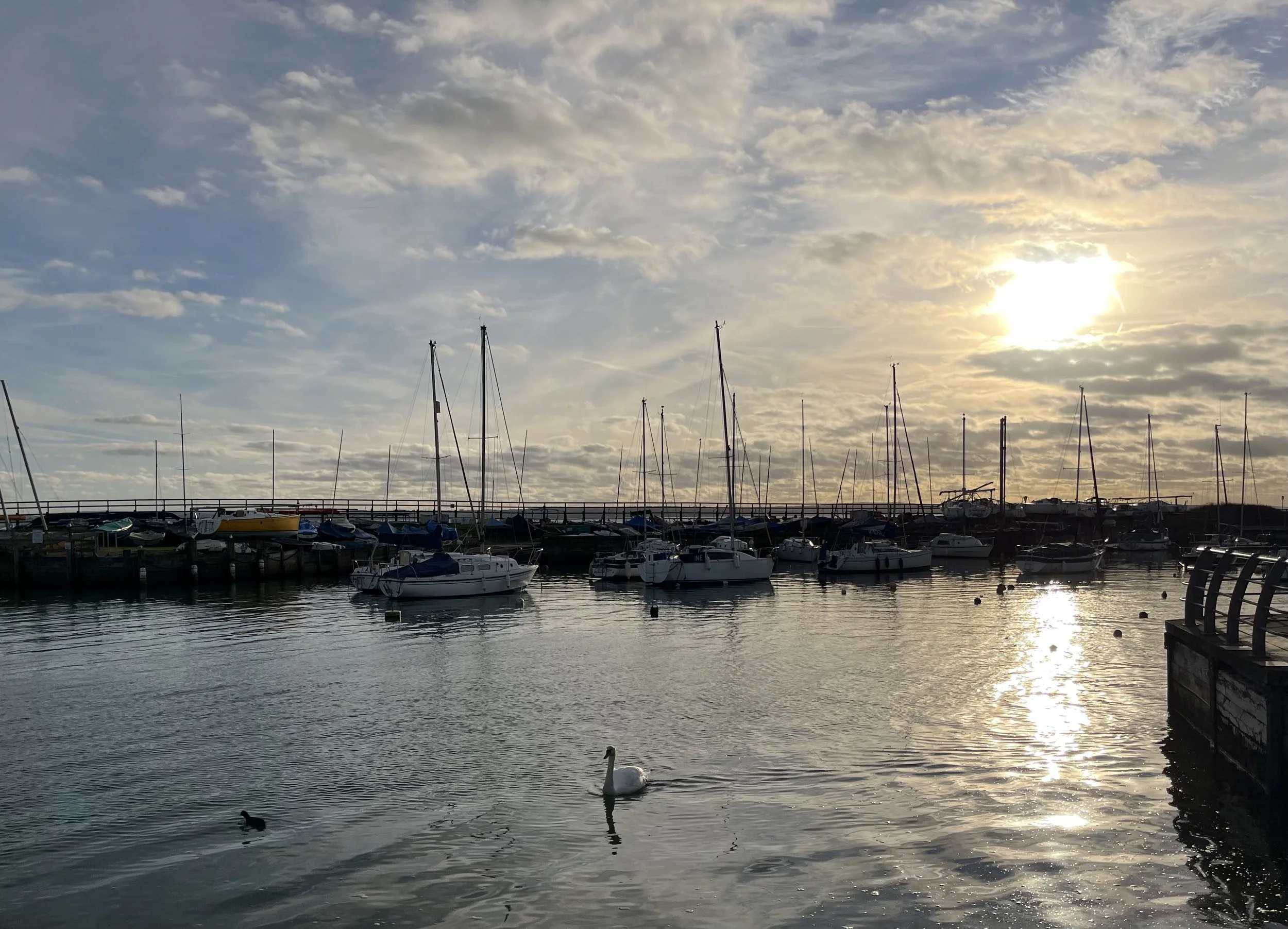
Hill Head Haven and nature reserve.
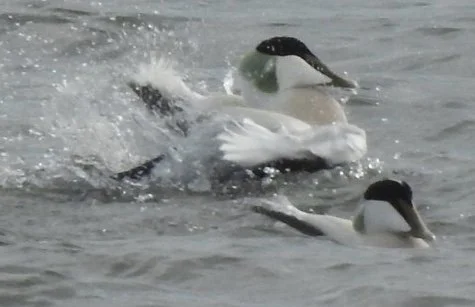
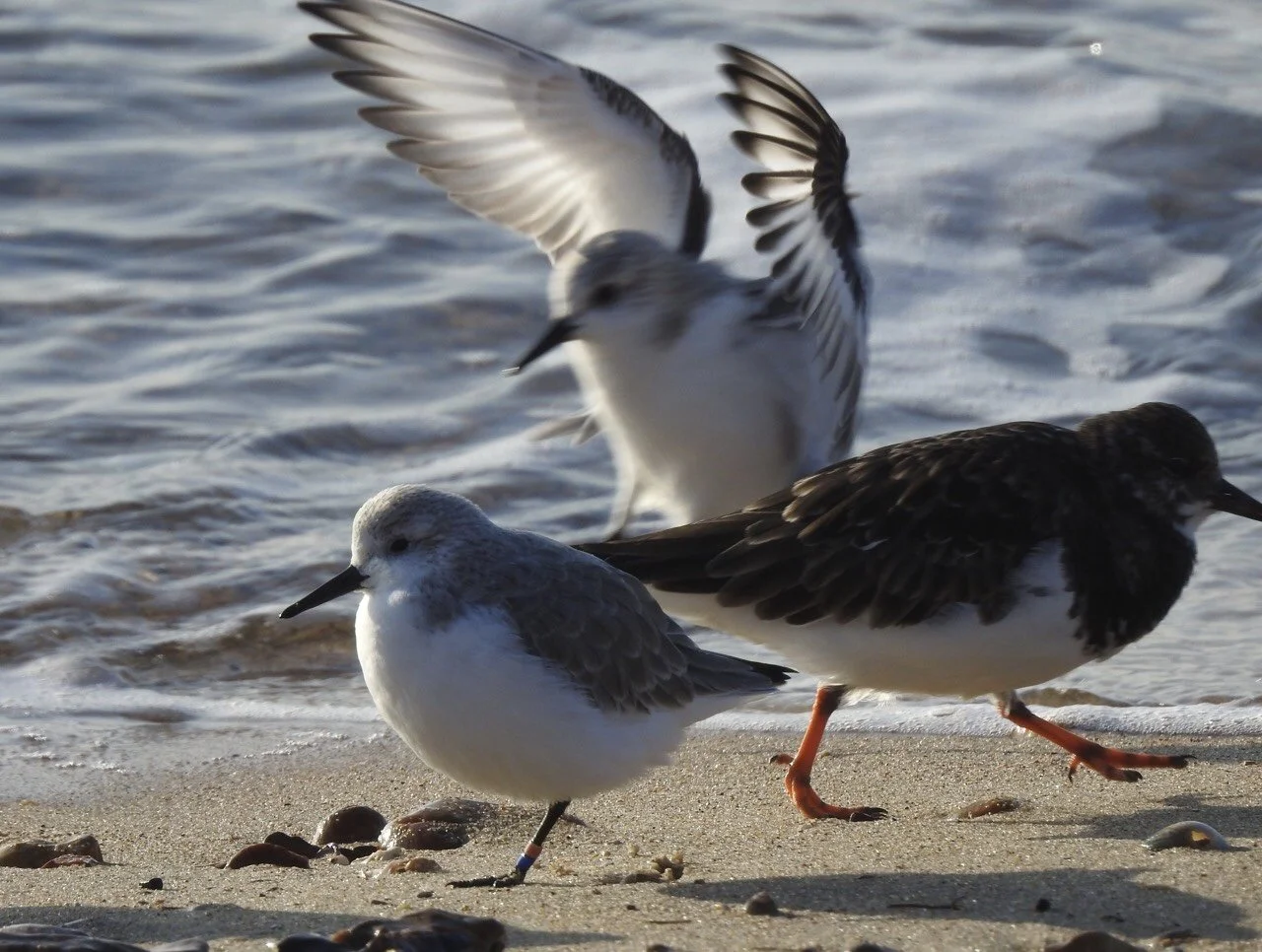
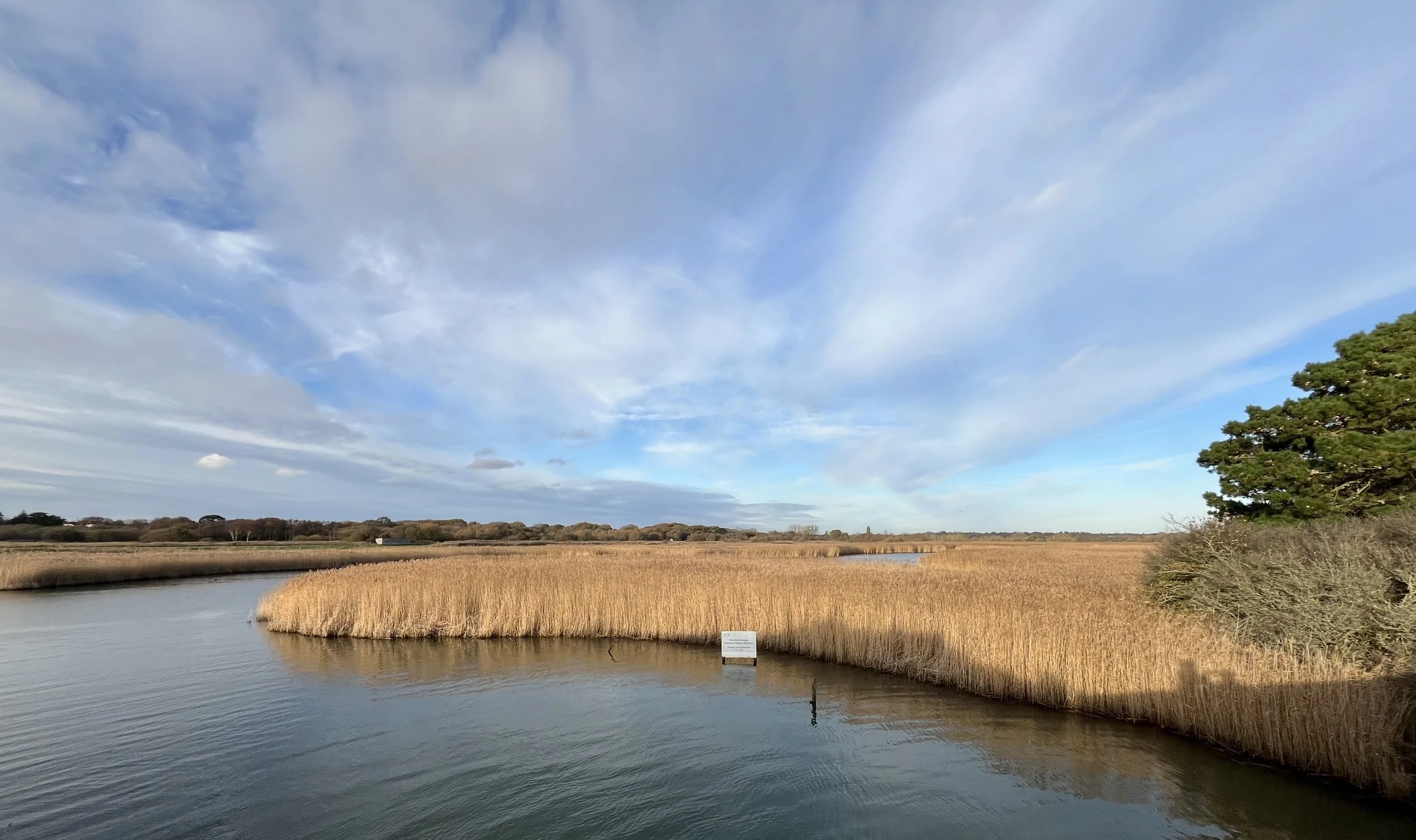
On the southern edge of Fareham is the coastal region of Hill Head and the Titchfield Haven nature reserve. Here the River Meon empties its clear chalk filtered water through the estuary and into the little harbour where sailing boats wait for the high tide. The nature reserve and the inter-tidal zone are of national significance to seasonal wading birds and breeding birds such as the iconic Avocet.